By Sophie Barrett (Guide at Garonga)
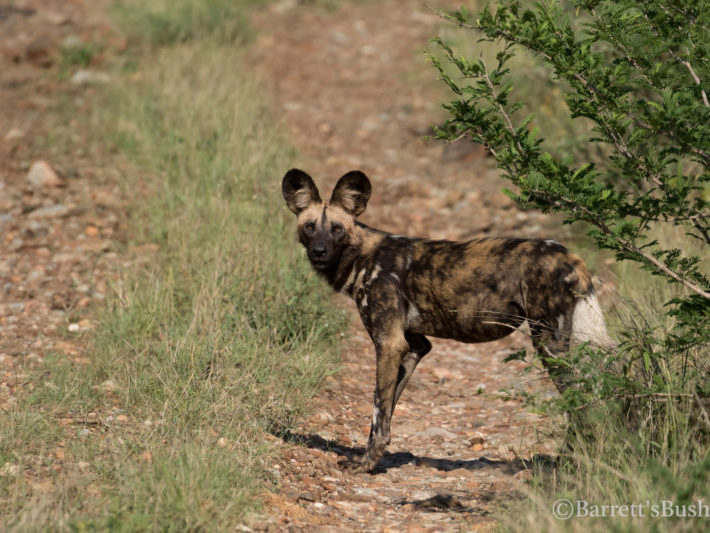
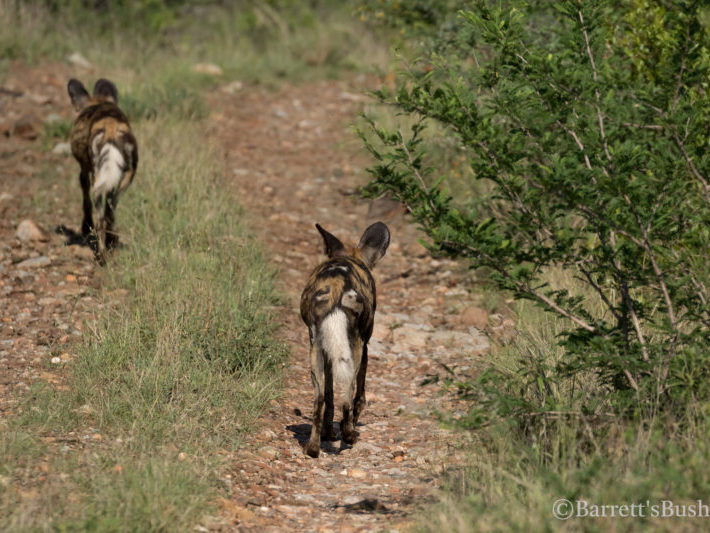
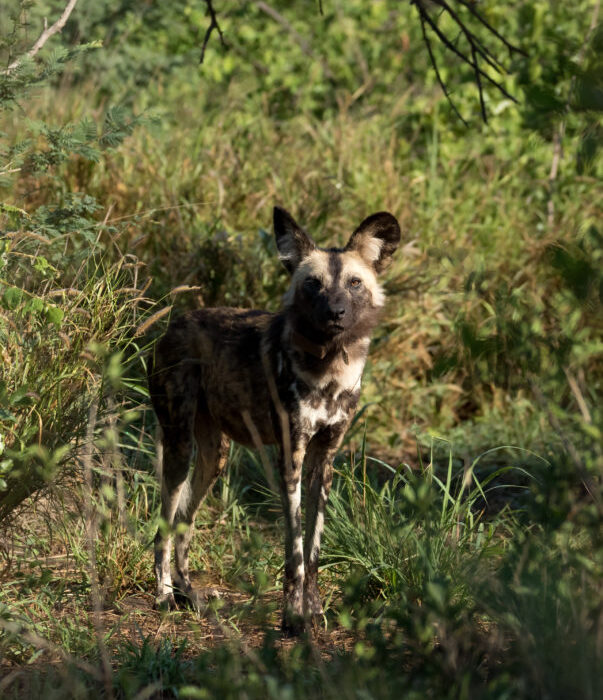
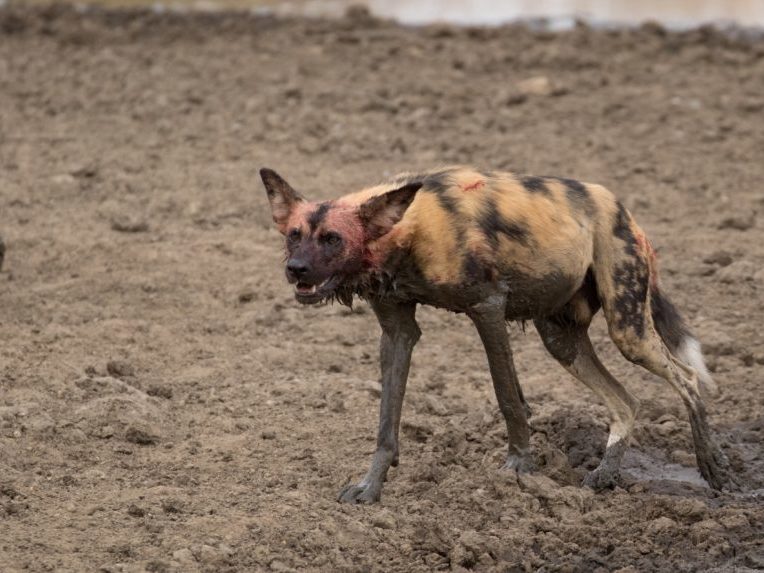
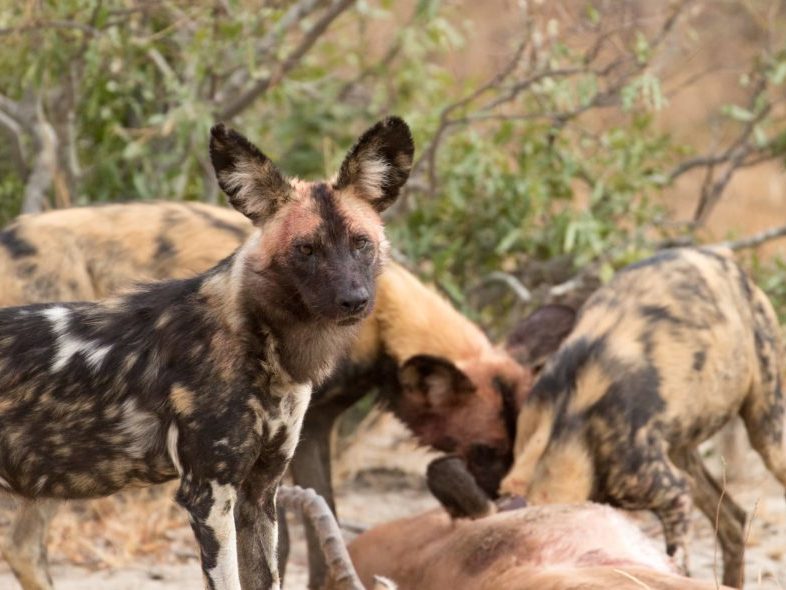
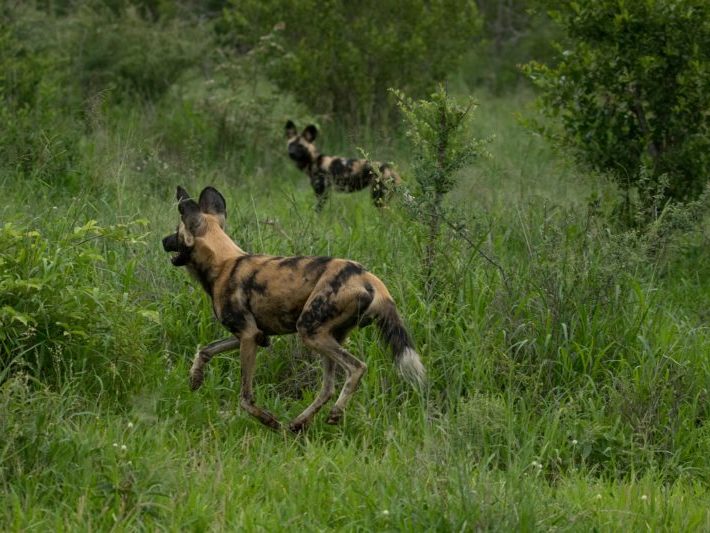
There are certain animals that have had, for want of a better way to describe it, rum luck in terms of their history with humans. One such animal is the Wild Dog. African Wild Dogs go by a number of pseudonyms: – Painted Wolves; Cape Hunting Dogs; Painted Hunting Dogs; Painted Dogs; and Painted Lycaon. Few mammals can boast of sufficient fascination by humans to have accrued such a variety of names. However, this has not always been in the Wild Dog’s best interest, our obsession with Wild Dogs initially stemmed from a judgment call over their hunting techniques. Humans are strange creatures, lions and leopards have long been revered by game wardens and avid safari goers alike. However, historically we decided to draw a distinction between the slow, drawn out death of suffocation by the lions and leopards, and the comparatively quick death that comes at the jaws of the Painted Wolf.
Brief History Lesson – How did the Dogs become so endangered?
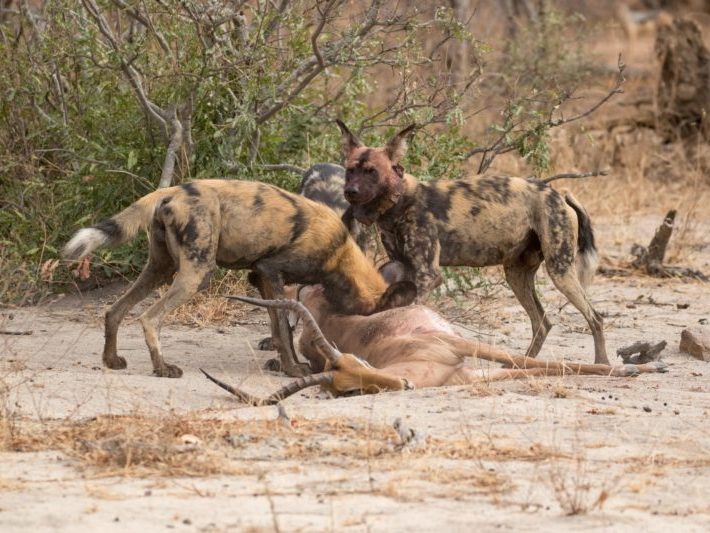
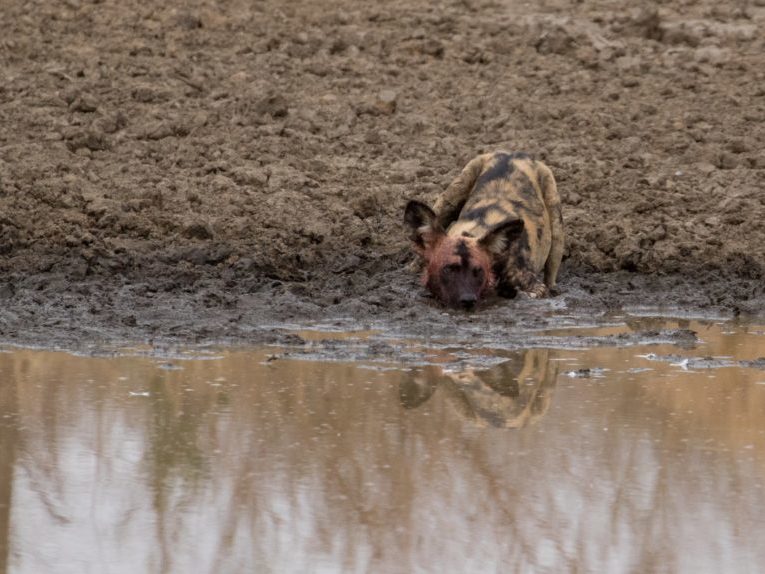
Incredible as it might seem today, for decades Cape Hunting Dogs were despised as vermin! They are the marathon runners of the bush and their hunting technique takes advantage of this; they pursue their prey until it tires sufficiently for them to catch it. At which point the pack essentially tears the animal apart. As humans we decided that we were outraged by this, we disregarded the incredible intelligence of these animals and gave authorisation for them to be shot without even needing a permit! If you read the journals of James Stevenson-Hamilton, the first Warden of the Kruger National Park, he gaily recounts days where he shot entire packs of the Dogs. Worryingly this carried on right up to the 1960s where game wardens in national parks would shoot Wild Dogs on sight in order to protect the herbivores inside the parks!
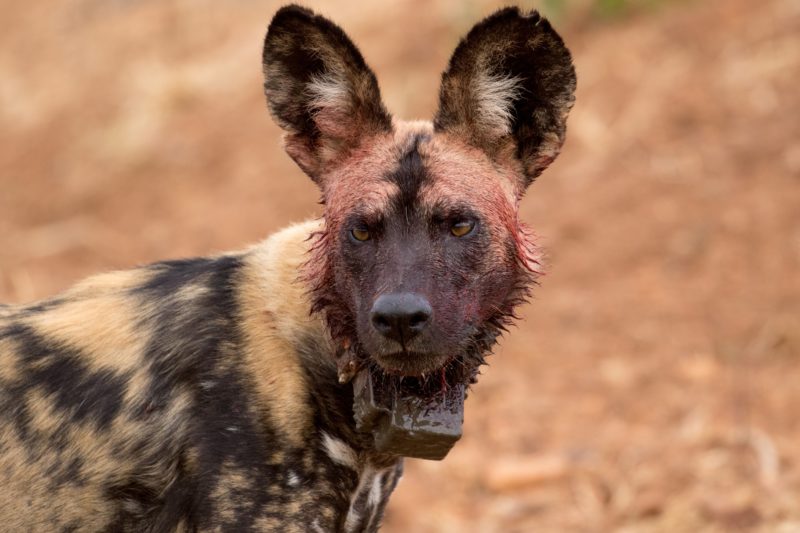
Added to this sad history is rapidly shrinking and, more importantly for the Dogs, rapidly fragmenting habitat. Wild Dogs traditionally have enormous home ranges that they travel through constantly. Within the Kruger National Park a pack’s home range can be anything from 260 – 930 square Kilometres. But in the wide open spaces of the Serengeti this grows to a whopping 4000 square Kilometres! With the expansion of the human population our wild spaces are growing less and less. The fragmentation of their habitat is causing the Painted Dogs to come into more frequent contact with domestic dogs from whom they can pick up Canine Distemper or Rabies, both of which are fatal to the Dogs.

Positive Thinking – What can we do to improve the future?
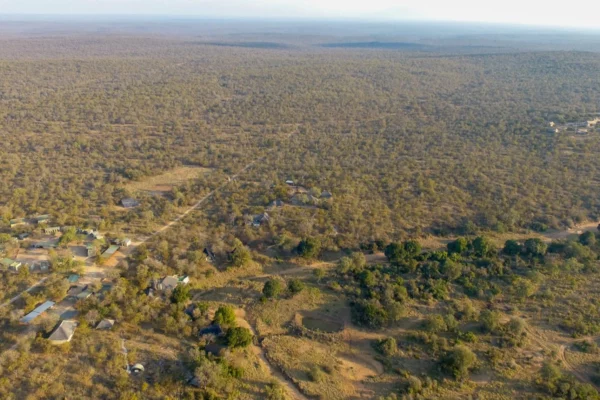
When you add these components together you get a veritable conservation crisis. It was time for Garonga to see what we could do to help. Prior to 2019 the Greater Makalali Private Nature Reserve periodically played host to a nomadic pack of dogs from the Orpen area. In 2019 as a reserve we wanted to do more to protect the future of this fabulous species, we worked with the Endangered Wildlife Trust on their Wild Dog Range Expansion Project. As a result in June 2019 we released a pack of three Wild Dogs (one female and two males) onto the reserve! The Dogs were doing fantastically until the lockdown where they started to dig underneath the reserve’s fences and to explore the (suddenly quiet) neighbouring properties! Unfortunately in one of these excursions our only female Wild Dog passed away. We managed to locate the males but now we had a conundrum. Male Wild Dogs are hard wired to find females so that they can start a pack of their own. We needed to find females for these males and quickly or we would lose them too! We got back in touch with the Endangered Wildlife Trust who had great news – they were able to arrange for two new females from the area around the Kalahari to come to us. This would help to ensure the genetic variation amongst the population and those two females were also in need of a home and a pack – it was a perfect fit!
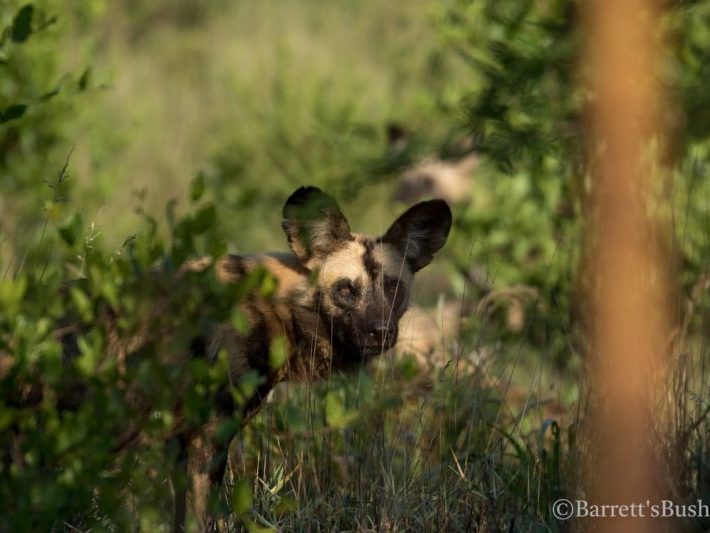
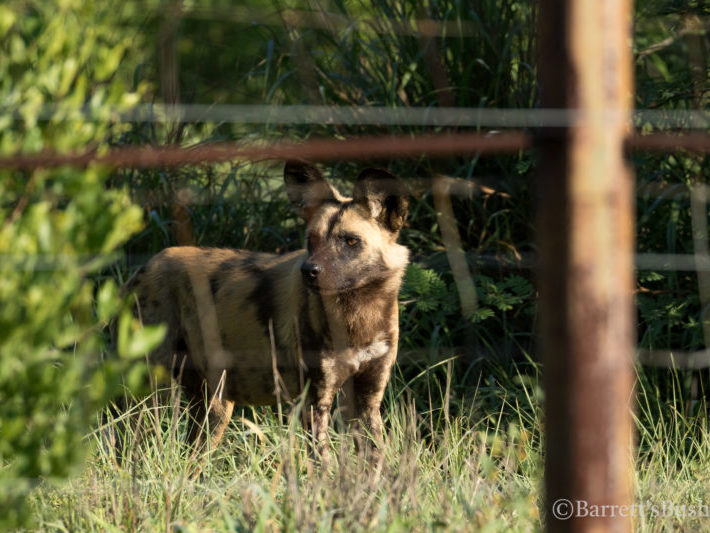
Painted Dogs are incredibly intelligent and, as often happens with good intelligence, have a highly complex social structure. This means that forming a new pack is not quite as straight forward as mixing dogs together and hoping that they all get on. A bizarre, but effective technique has been developed. All of the dogs need to be tranquillised and then a lucky person picks up one dog at a time and … rubs them all over one another! As odd as it sounds this technique proves highly effective. Wild Dogs have to have good cohesion within the pack and this cohesion is built by touching, tasting and smelling each other! By rubbing the sedated dogs together we can jump start the cohesion process. The sedated dogs are left in a jumble, similar to the way they would sleep as a natural pack and allowed to wake up naturally and adjust to the new smells and characters! The key stresses on any wild animal are finding safety, food and water. So we carried out the bonding process in a boma (large enclosure) within the reserve to remove these stresses whilst the bonding took effect; monitoring them closely at the same time of course. During this time we were ecstatic to see that the bonding process had gone so well that the dogs actually mated together!
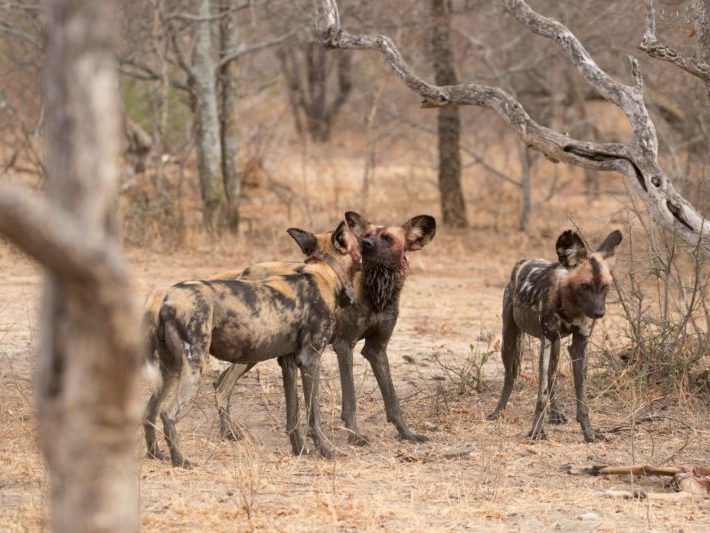
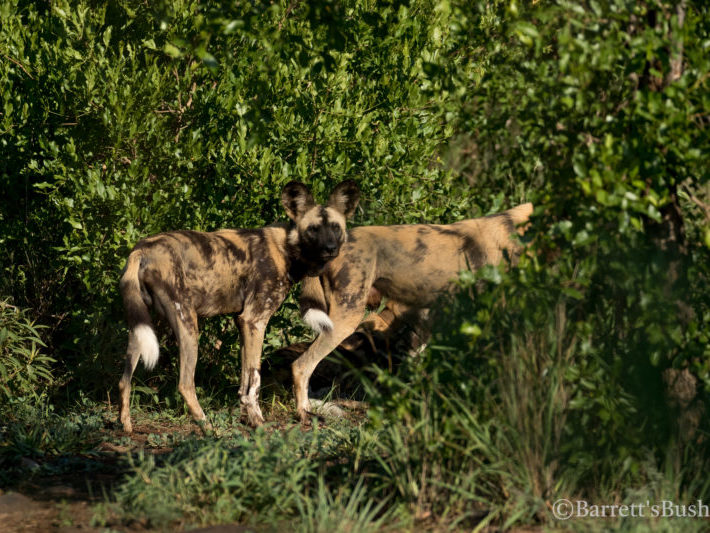
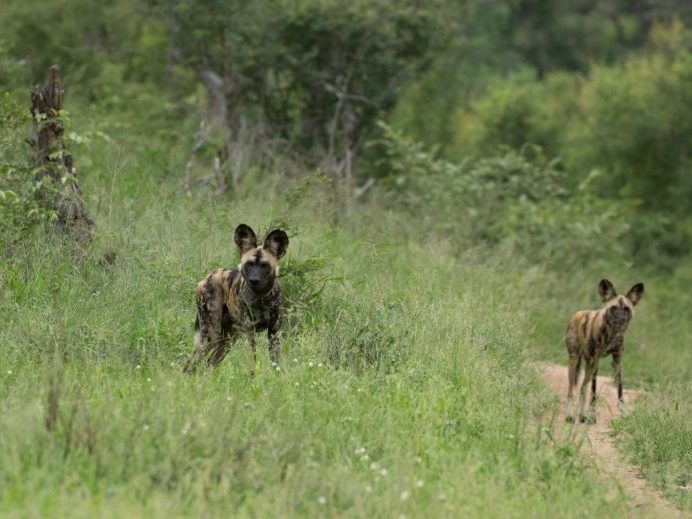
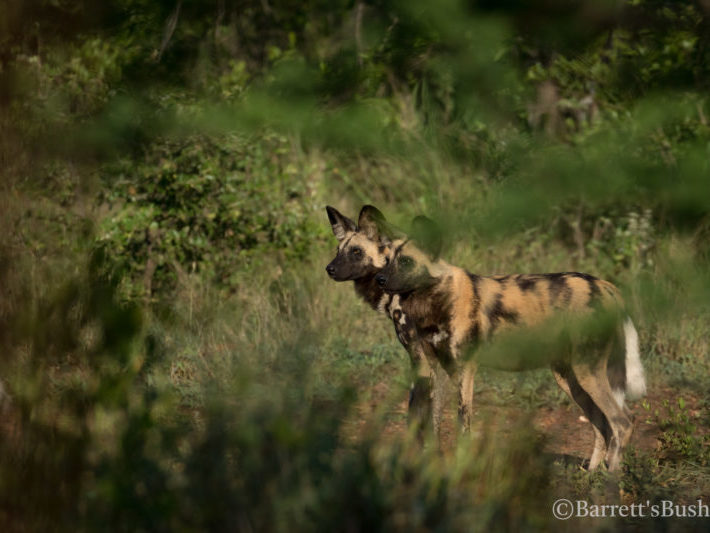
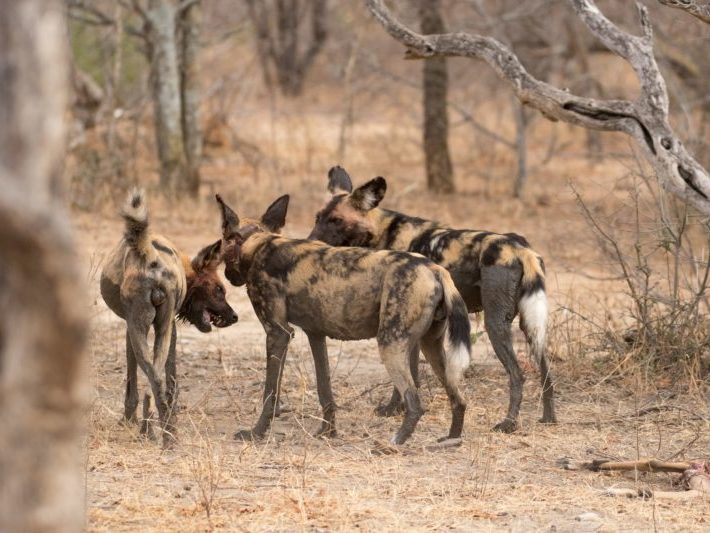
Within Painted Dog packs only the alpha male and alpha female will have puppies, but the rest of the pack will help to raise the pups which is just as well because a litter is typically between 2 and 20 pups! Wild Dogs have an incredibly complex communication system, at least eleven vocal classes and eighteen subclasses have been identified – making their communications the most advanced of all canid species! Their gestation period is an average of 70 days, and so with the pack bonded and the alpha male and female mated it was time to set the dogs free again!
Conservation Success Story
So it was that on one sweltering November morning the Garonga team headed to the boma to watch the release! If anyone reading this has worked with animals themselves they might know that animals seldom do what we want or expect them to do. Indeed I had been heavily involved back in 2018 in the release of a female cheetah on the reserve (catch up with that adventure here) where we had a veritable Mexican standoff over freedom! Thankfully the Painted Dogs were much more co-operative and at the first sign of an impala carcass they gambolled to freedom, had a quick feed and trotted off to explore their new home!
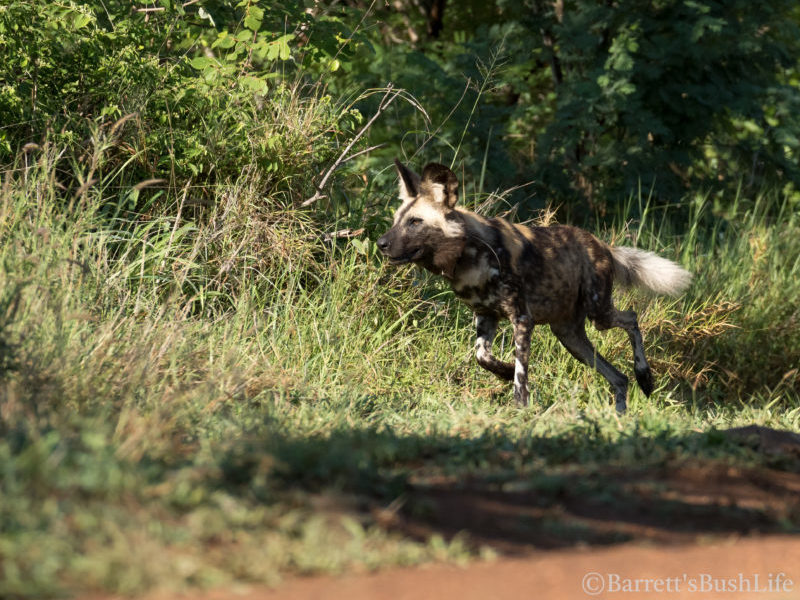
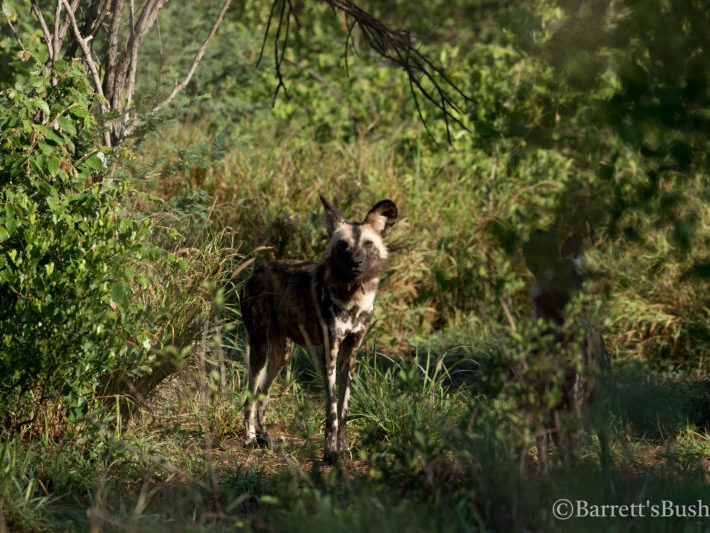
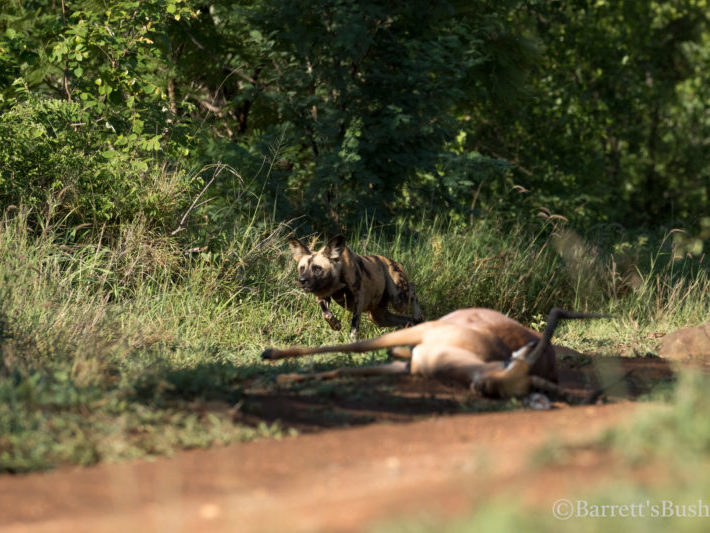
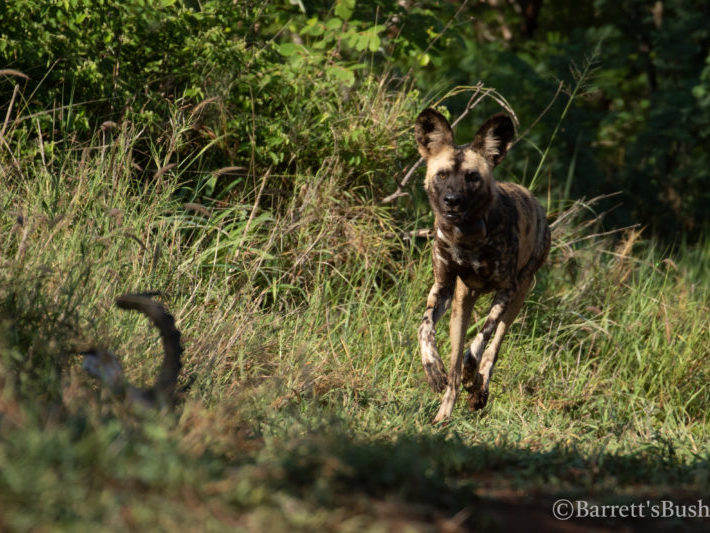
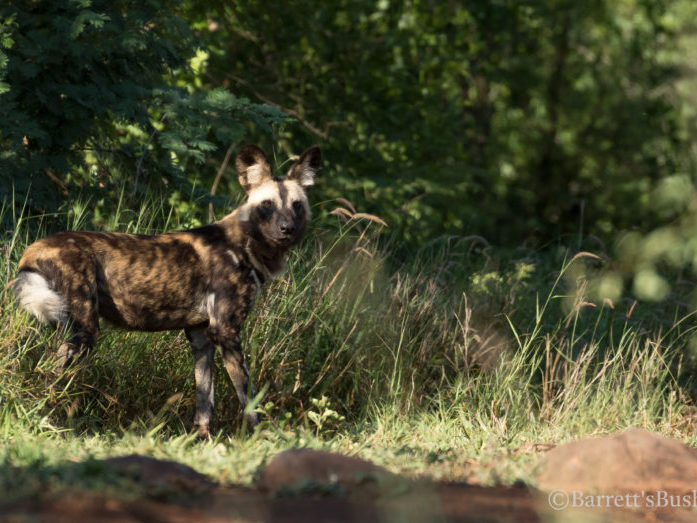
Since their release we have been thrilled to share are couple of sightings of the Dogs around the reserve. One particularly memorable sighting was enjoyed by Johnson. As he sat with a pair of sub-adult cheetah the Dogs burst into view. Both cheetah and Dogs faced off against one another before the Dogs lost interest, changed direction and ran off to the East. We are hoping that they are looking for the ultimate den site (and are even optimistically hoping they might choose a spot around the lodge) and that we will have good news to share with you very soon. But one thing is certain, operations like these, maintaining genetic variation and securing safe spaces for the Painted Dogs are critical to the survival of these incredible animals!